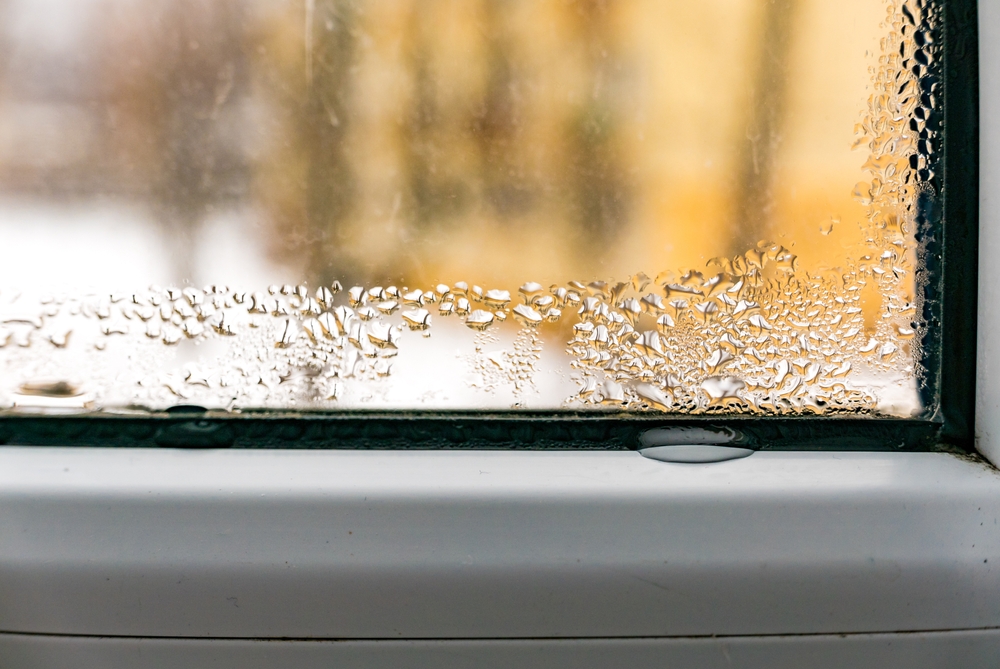
If you wake up on a cold morning only to find a thick layer of moisture blurring your view, you aren’t alone. Condensation on windows is one of the most common complaints from UK homeowners, particularly during the autumn and winter months.
While it might seem like a minor inconvenience, it can lead to more serious issues like black mould, damp walls, and damage to your window frames. In this guide, we will explore why this occurs and how upgrading to high-quality double glazing or triple glazing from Leekes can solve the problem for good.
What Causes Condensation on Windows?
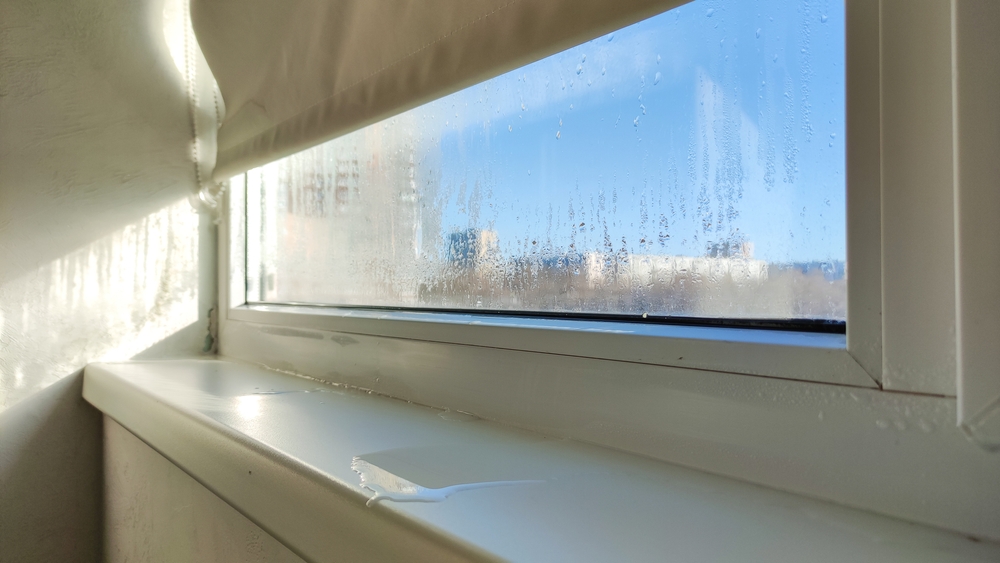
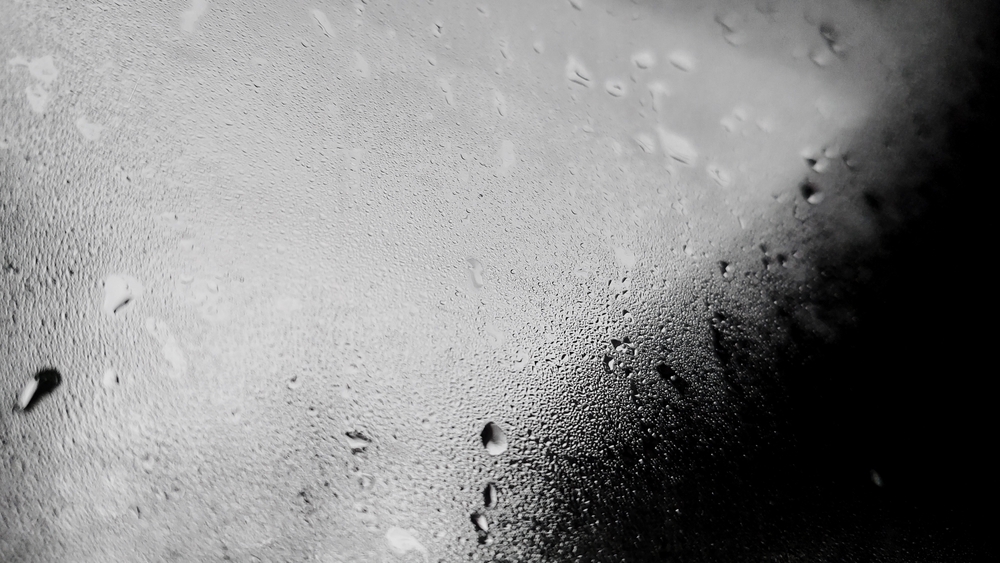
Condensation occurs when warm, moist air meets a cold surface. Because cold air cannot hold as much moisture as warm air, the water vapour is released as liquid droplets.
In a typical UK home, daily activities like showering, boiling a kettle, and even breathing release water into the air. If your windows are old or poorly insulated, the glass acts as a magnet for that moisture.
The Three Types of Condensation
- Internal Condensation: Moisture on the room-side of the glass. This is usually caused by high humidity and poor ventilation within the home.
- Condensation Between Panes: This is a sign that the seal of your double glazing windows has failed. If there is misting inside the unit, the insulating gas has escaped and the unit is no longer thermally efficient.
- External Condensation: Moisture on the outside of the glass. This is actually a sign that your triple glazing or modern uPVC windows are working perfectly, as it shows heat is not escaping from your home to warm the outer pane.
Comparing Double and Triple Glazing
When looking for a double glazing quote, it is important to understand the technical differences in how these units protect your home. At Leekes, our products are designed to provide maximum thermal insulation and water resistance.
| Feature | Leekes Double Glazing | Leekes Triple Glazing |
| Glass Panes | 2 Panes | 3 Panes |
| Cavity Fill | Argon Gas | Argon Gas |
| Thermal Insulation | High Performance | Maximum Performance |
| Condensation Risk | Significantly Reduced | Lowest Possible Risk |
| Noise Reduction | Excellent | Superior |
| Guarantee | Up to 10 Years | Up to 10 Years |
How Double Glazing Stops Internal Condensation
The primary reason for internal condensation is a cold internal pane of glass. Older single-glazed windows offer no thermal barrier. By switching to modern double glazing, you introduce an insulating layer of Argon gas between two panes of glass. This keeps the inner pane much closer to the ambient room temperature. When the glass is warm, the moisture in the air doesn’t settle, significantly reducing the risk of dampness.
Aluminium vs. uPVC Windows: Does Material Matter?
When you receive your double glazing quote, you will likely choose between two main materials:
- uPVC Windows: Naturally insulating and incredibly durable. Leekes uPVC is a warm material that does not conduct heat easily, making it excellent for preventing condensation.
- Aluminium Windows: Modern aluminium windows from Leekes feature advanced thermal breaks to prevent heat from escaping through the metal frame, ensuring they remain energy efficient.
Both options, when installed by reputable double glazing companies like Leekes, will drastically improve your home’s thermal performance and eco-friendliness.
The Power of Triple Glazing for Persistent Damp
For homes in particularly cold areas or those with north-facing rooms, triple glazing offers an even more robust solution. By adding a third pane of glass and a second cavity of Argon gas, the internal glass temperature remains even higher, eliminating cold spots where mould can grow.
If you live in a period property, you can even opt for triple glazed sash windows. These allow you to maintain a traditional heritage aesthetic while benefitting from the latest thermal technology, ensuring your home stays warm and dry year-round.
Why Is There Misting Inside My Double Glazing?
If the condensation is trapped between the two layers of glass, the unit has likely blown. This happens when the seal has perished over time. Once the seal is gone, your double glazed windows lose their insulating properties, and you are essentially paying to heat the outdoors.
Leekes provides an up to 10-year guarantee on installations, giving you peace of mind that your seals are built to last against the British weather.
Quick Tips to Reduce Humidity Today
While waiting for your new windows to be installed, you can take these steps to manage the moisture levels in your home:
- Ventilate: Use extractor fans in kitchens and bathrooms.
- Open Trickle Vents: If your windows have them, keep them open to allow controlled airflow.
- Maintain Consistent Heat: Keeping your home at a steady temperature prevents surfaces from getting cold enough for water to dew.
Get a Professional Solution with Leekes
Temporary fixes like moisture traps only mask the symptoms of a cold home. To treat the cause, you need a high-performance thermal barrier. Whether you are looking for contemporary aluminium windows or traditional triple glazed sash windows, the right installation can transform your living space.
As home experts since 1897, Leekes has been helping homeowners create beautiful, dry, and energy-efficient homes for over 125 years.
Are you tired of wiping your windows every morning?
Contact one of the UK’s most trusted double glazing companies today. Visit our showrooms in Llantrisant, Cross Hands, or Melksham, or start your project online today. Our team can provide a comprehensive double glazing quote tailored to your home’s specific needs.
Categories: Double Glazing, Leekes-Blog, Windows
Tags: condensatino, condensation, double glazing, how to stop condensation in windows, upvc windows