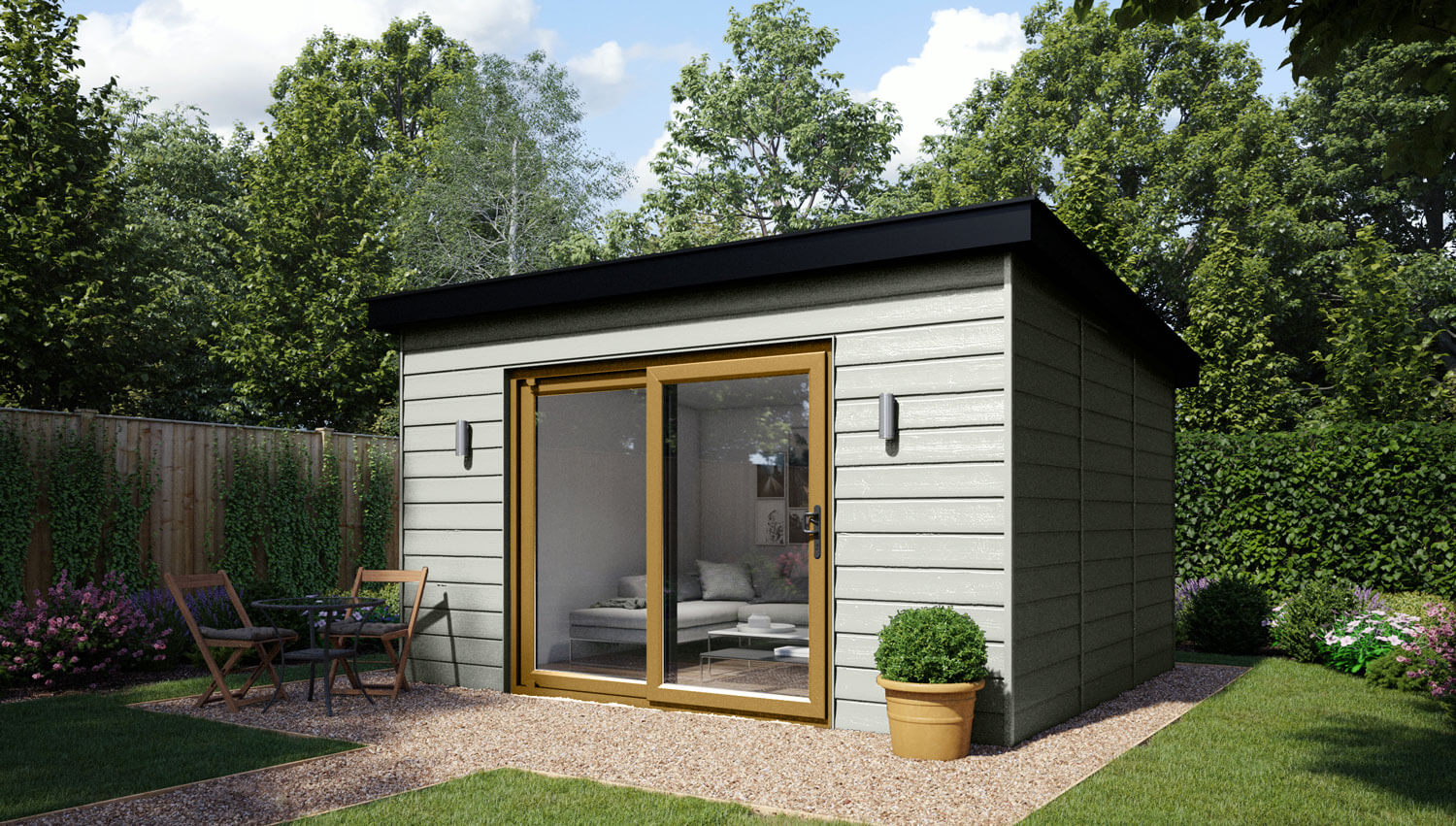
Do I Need Planning Permission To Put a Garden Room in My Garden?
Adding a garden room to your home is one of the most effective ways to increase your living space and add significant value to your property. Whether you are dreaming of a quiet home office, a high-tech gym, or a stylish summerhouse for entertaining, understanding the legal requirements is the essential first step.
At Leekes, we specialise in creating premium, bespoke garden rooms that blend seamlessly with your home. One of the most frequent questions our experts receive is: “Do I need planning permission for a garden room?”
The good news is that in the vast majority of cases, the answer is no. Most garden rooms fall under Permitted Development rights. However, there are specific criteria you must meet to avoid a visit from the local planning officer.
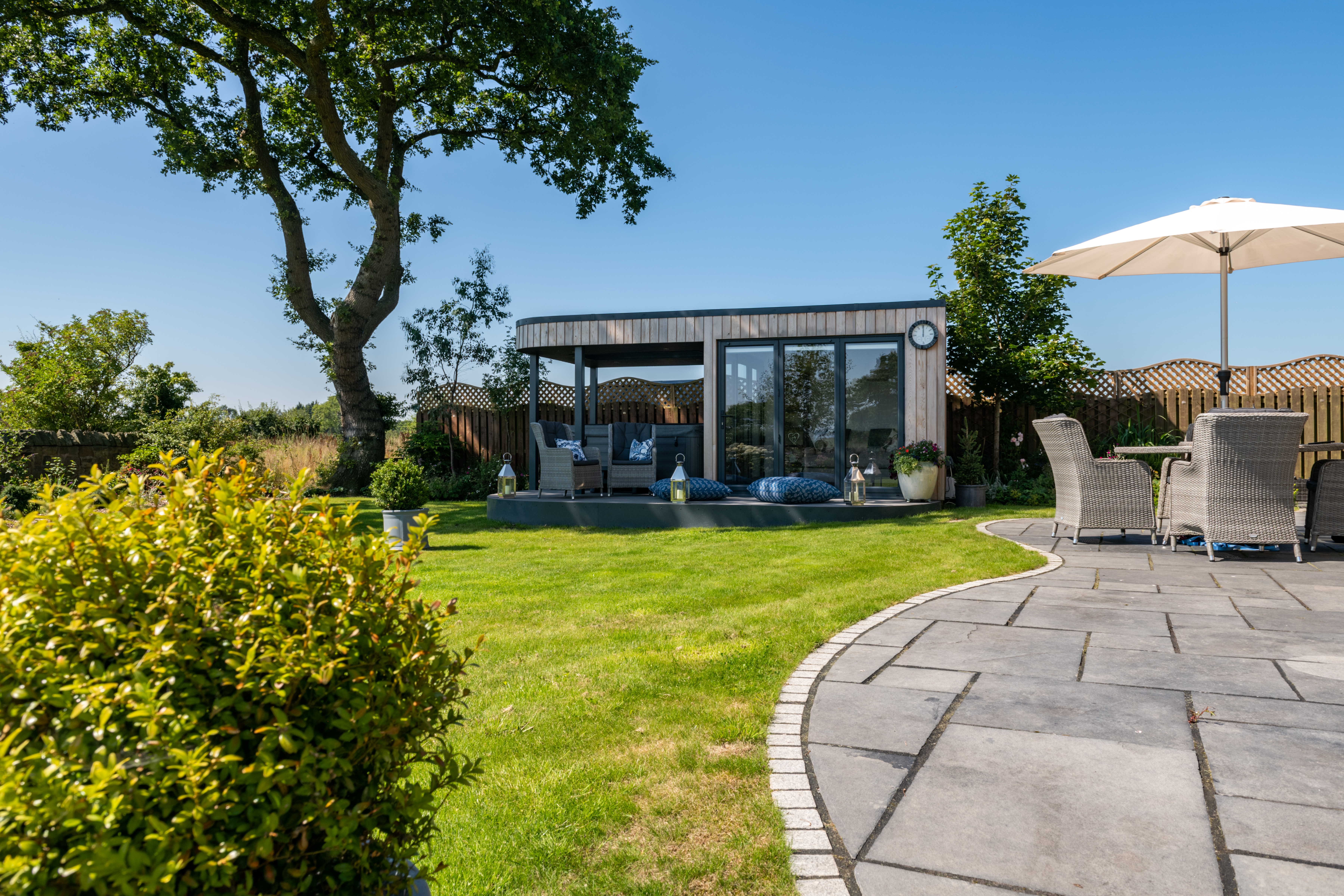
Understanding Permitted Development for Garden Rooms
In England and Wales, garden rooms are generally classified as outbuildings. Under Permitted Development rules, you can usually proceed without a full planning application, provided the structure meets these key conditions:
- Height Restrictions: To stay within Permitted Development, the building must be single-story. If the garden room is within 2 metres of your property boundary, the maximum overall height is 2.5 metres. If it is further than 2 metres away, you can have a flat roof up to 3 metres high or a pitched roof up to 4 metres.
- Usage: The room must be for incidental enjoyment of the dwelling. This includes offices, gyms, or hobby rooms. It cannot be used as self-contained living accommodation or a primary bedroom (which would require Building Regulations and Planning Permission).
- Land Coverage: Your garden room (plus any other outbuildings or extensions added since the house was built) must not cover more than 50% of the total area of land around the original house.
- Location: The structure should not be built in front of the principal elevation (usually the front of your house) or on the side of the property.
If your home is a listed building or located within a Conservation Area, National Park, or Area of Outstanding Natural Beauty (AONB), these rights may be restricted, and it is always best to consult with a professional.
Do you have to pay Council Tax on a garden room?
In almost all instances, you do not have to pay extra Council Tax on a garden room. Because the structure is considered an extension of your existing home and not a separate dwelling with its own postal address, it is covered under your current valuation. However, if you were to install a kitchen and bathroom and register the building as a separate, habitable holiday let or rental unit, the local authority may choose to band it separately.
Can neighbours object to a garden room?
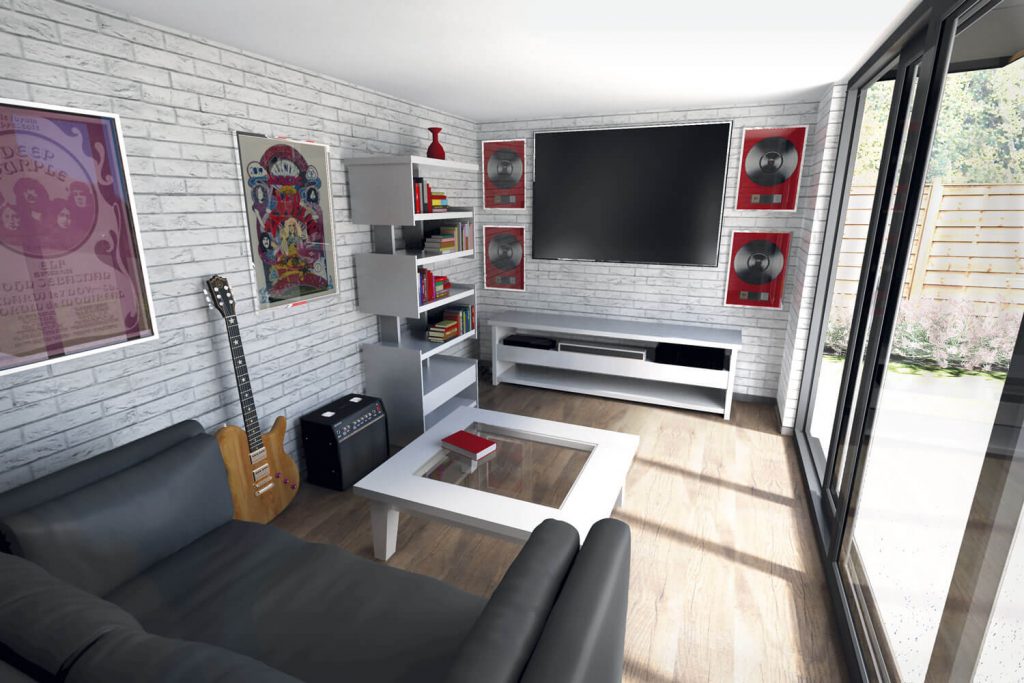
If your garden room falls within Permitted Development rights, neighbours do not have a formal platform to object to the build. You do not need to notify them or seek their permission. However, if your project requires a full Planning Application, neighbours will be notified by the council and given the opportunity to comment. We always recommend discussing your plans with neighbours beforehand to maintain good relationships and ensure the design—such as the placement of windows—respects their privacy.
What is the average cost of a garden room?
The cost of a garden room varies significantly based on size, materials, and internal finishes. A high-quality, fully insulated, and double-glazed garden room from a reputable installer like us at Leekes typically starts from £15,000 to £25,000 for a standard size. Premium, bespoke designs with architectural glazing, bi-fold doors, and integrated heating can range from £30,000 to £50,000+. While the initial investment is higher than a standard shed, the longevity and “year-round” usability make it a much more cost-effective way to add square footage than a traditional brick extension.
Is a garden room a habitable space?
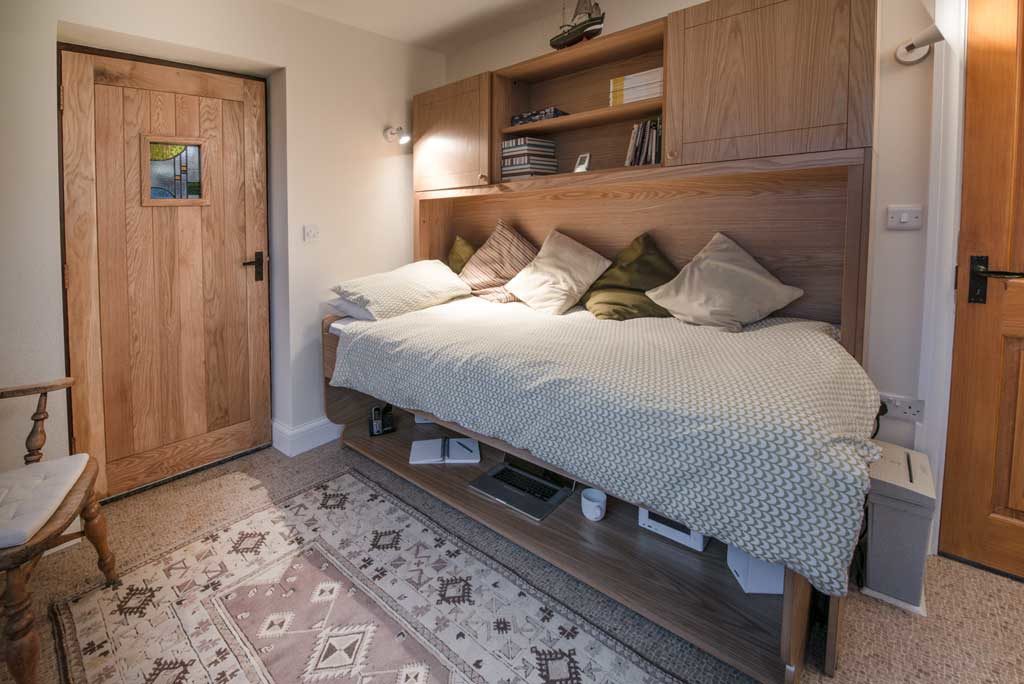
There is a legal distinction between incidental and habitable use. An incidental space is used for hobbies or work (office, gym, studio). A habitable space is one used for sleeping (a bedroom). If you intend to use your garden room as a guest bedroom, it must comply with Building Regulations, which cover fire safety, insulation, and structural integrity, regardless of whether you need planning permission.
How close to a fence can I build a garden room?
Technically, you can build right up to the boundary, but there are practical and legal considerations. If the building is within 2 metres of the fence, it must be no taller than 2.5 metres to satisfy Permitted Development. Furthermore, you should leave enough space (usually 0.5m to 1m) for maintenance access, such as painting or gutter cleaning, to avoid trespassing on your neighbour’s land.
Why Choose Leekes for Your Garden Room?
Navigating planning laws can be daunting, but you don’t have to do it alone. At Leekes Windows, we provide a full-service experience. From the initial design and site survey to the final installation, our team ensures your new garden room is fully compliant with local regulations.
Our garden rooms feature high-performance double glazing and superior insulation, ensuring they stay warm in the winter and cool in the summer. With a variety of finishes, from contemporary anthracite grey frames to traditional timber-style cladding, we create spaces that truly feel like an extension of your home.
Ready to transform your garden? Contact us at Leekes today for a free quote or visit one of our showrooms to see our craftsmanship in person. Let us help you create the perfect retreat, right in your own backyard.
Categories: Garden Rooms, Leekes-Blog