What Are The Best Types of Conservatory Roofs for Insulation?
For many homeowners across the UK, a conservatory is a beloved bridge between the home and the garden. However, older installations often suffer from the goldilocks problem: they are either too hot in the summer or freezing cold in the winter. If you find yourself avoiding your glass extension during the colder months, the culprit is likely poor thermal efficiency.
When looking to upgrade your living space, understanding your options is vital. At Leekes Windows, we specialise in transforming underutilised spaces into year-round rooms. This guide explores the most effective solutions for thermal regulation and answers the burning questions homeowners have when considering a renovation.
What Are The Best Conservatory Roof Replacement Ideas?
If your current structure is failing to keep the heat in, a conservatory roof replacement is often the most cost-effective and impactful home improvement you can make. Rather than tearing down the entire extension, replacing just the lid can provide modern levels of insulation.
The best ideas for replacement revolve around your intended use for the room. If you want a space that feels like a seamless extension of your brick-and-mortar home, solid conservatory roofs are the premium choice. These systems replace old polycarbonate or thin glass with high-performance sandwich panels and insulation layers.
Another popular idea is the hybrid roof, which mixes solid panels with shaped glazing. This allows you to maintain the vaulted ceiling aesthetic and natural light of a traditional conservatory while significantly boosting the U-value (the measure of heat loss) of the structure.
Why Should You Choose Tiled Conservatory Roofs for Energy Efficiency?
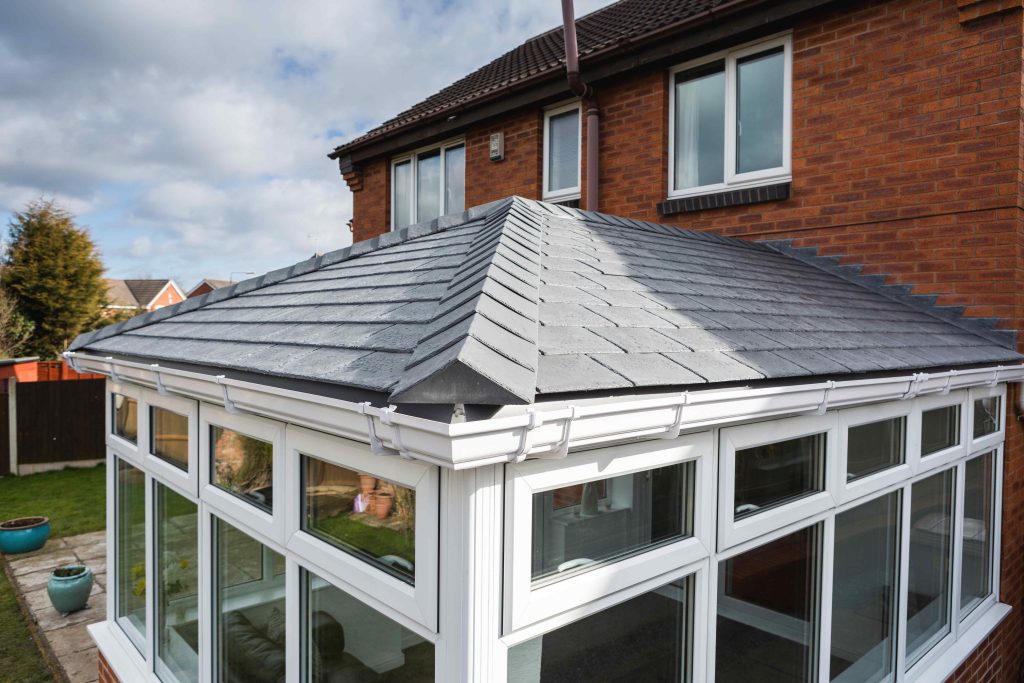
When it comes to pure insulation power, tiled conservatory roofs are frequently cited by experts as the gold standard. These systems, such as the UltraRoof or Guardian systems offered by reputable conservatory roof installers, are designed to mimic the pitch and appearance of your main house roof.
The secret to their efficiency lies in the layers. A tiled roof is not just an aesthetic choice; it incorporates thick slabs of high-grade insulation, a breathable membrane, and an internal plastered ceiling. This setup creates a thermal barrier that can be up to 15 times more efficient than a single-glazed or polycarbonate roof.
By choosing a tiled finish, you eliminate the drumming noise of rain and ensure that the heat generated by your radiators stays inside the room. This not only makes the space more comfortable but can also lead to noticeable savings on your monthly energy bills.
Are Glass Conservatory Roofs Still a Good Option for Insulation?
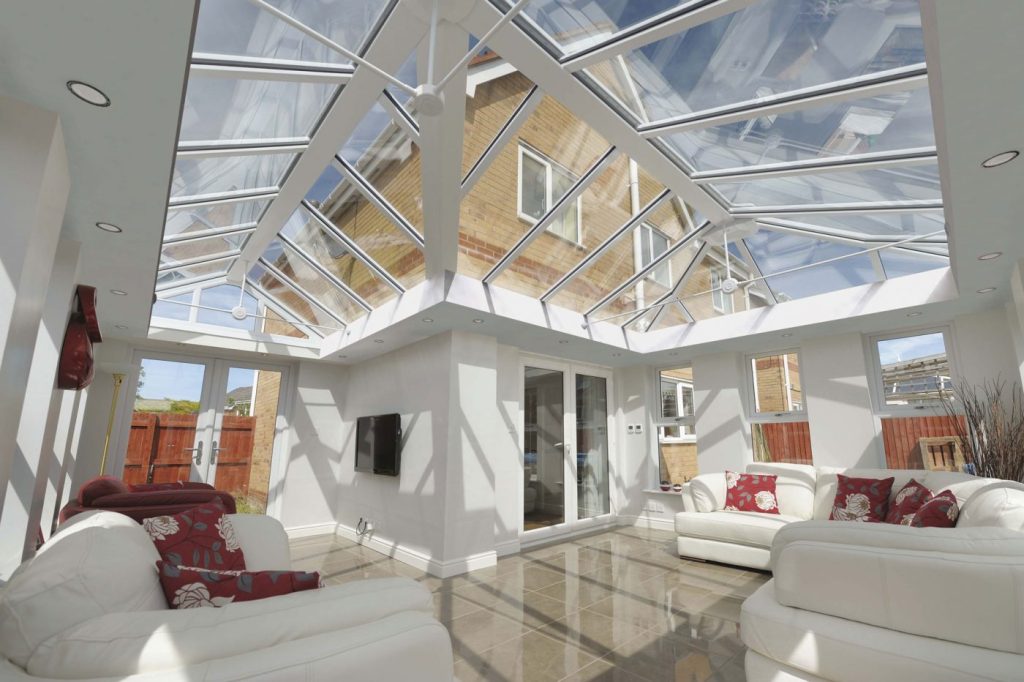
There is a common misconception that all glass conservatory roofs are thermally inefficient. While this was true twenty years ago, modern glazing technology has undergone a revolution. If you love the feeling of sitting under an open sky, you do not have to sacrifice warmth.
Modern high-performance glass features Low-E (low emissivity) coatings. This invisible metal oxide layer reflects heat back into the room during winter while reflecting solar radiation away in the summer. Furthermore, argon gas-filled units provide an extra layer of insulation between the panes.
For those who prioritise light above all else, a modern glass roof is a fantastic option. However, for maximum insulation, ensure you are choosing solar control glass, which manages the internal temperature far better than standard double glazing.
What Are the Benefits of Solid Conservatory Roofs?
If you are looking to turn your conservatory into a home office, a playroom, or a dining area, solid conservatory roofs offer several distinct advantages beyond just temperature control:
- Privacy: Solid roofs are ideal for homes overlooked by neighbours.
- Reduced Glare: They eliminate the sun’s glare on television and computer screens, making the room more functional.
- Structural Longevity: These roofs are engineered to be lightweight yet incredibly strong, often adding value to the property by making the conservatory feel like a real extension.
- Acoustic Insulation: Solid materials are far better at dampening external noise from traffic or weather than thin glazing.
How to Find Reliable Conservatory Roof Installers?
The performance of your new roof is only as good as the team that fits it. When searching for conservatory roof installers, it is essential to look for companies with a long-standing reputation and industry accreditations.
At Leekes, we understand that a roof replacement is a significant investment. We recommend looking for installers who provide comprehensive warranties and have experience dealing with local building regulations. Since 2010, most solid roof replacements require Building Regulations certification to ensure the existing structure can safely support the new weight. A professional installer will handle all this paperwork for you, giving you peace of mind that your home is both warm and safe.
Which Conservatory Roof Replacement is Right for You?
The best roof ultimately depends on your priorities. If you want a traditional look with maximum light, high-performance glass conservatory roofs are the way to go. If your goal is to create a cosy, energy-efficient room that stays warm on the coldest nights, tiled conservatory roofs or solid conservatory roofs are the superior choice.
Upgrading your conservatory roof is about more than just aesthetics; it is about reclaiming your home and making every square metre usable. If you are ready to transform your cold conservatory into a beautiful, insulated living space, contact us at Leekes Windows today for an expert consultation. Let us help you find the perfect thermal solution for your home.
Categories: Conservatory Roofs, Leekes-Blog
Tags: best types of conservatory roofs, conservatory roof installers, conservatory roof replacements, conservatory roof styles, conservatory roofs, glass conservatory roofs, solid conservatory roofs, tiled conservatory roofs